How to Scale Your Ad Spend Without Breaking Performance (Even on a Low Budget)
Scaling ad spend doesn't break performance on its own. It exposes the tracking gaps that were always there. Here is the real ceiling on how far you can scale.
Practical guides and insights on tracking, attribution, and paid media to help you recover lost conversions and grow revenue
No posts match your search.
Scaling ad spend doesn't break performance on its own. It exposes the tracking gaps that were always there. Here is the real ceiling on how far you can scale.
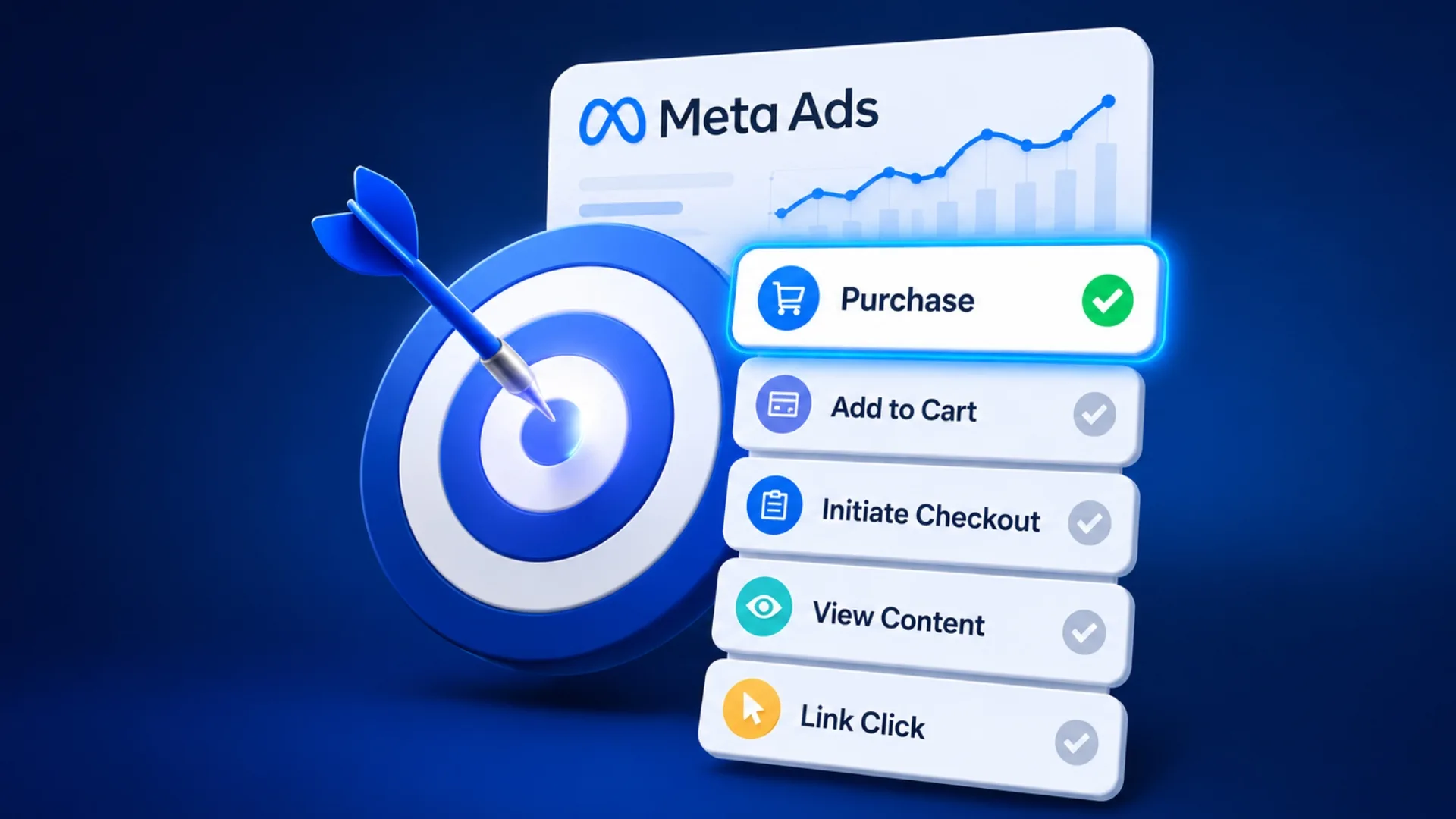
When the sale happens later, the conversion event you optimize for decides whether Meta finds you buyers or burns your budget on people who never pay.
Shopify quietly switched every ad pixel on your store from Always on to Optimized, letting it decide whether your tracking keeps getting data. Here is the fix.
Setting up the Meta pixel is the easy part. Whether it dodges ad blockers and sends Meta complete data is what decides if your Shopify tracking works.
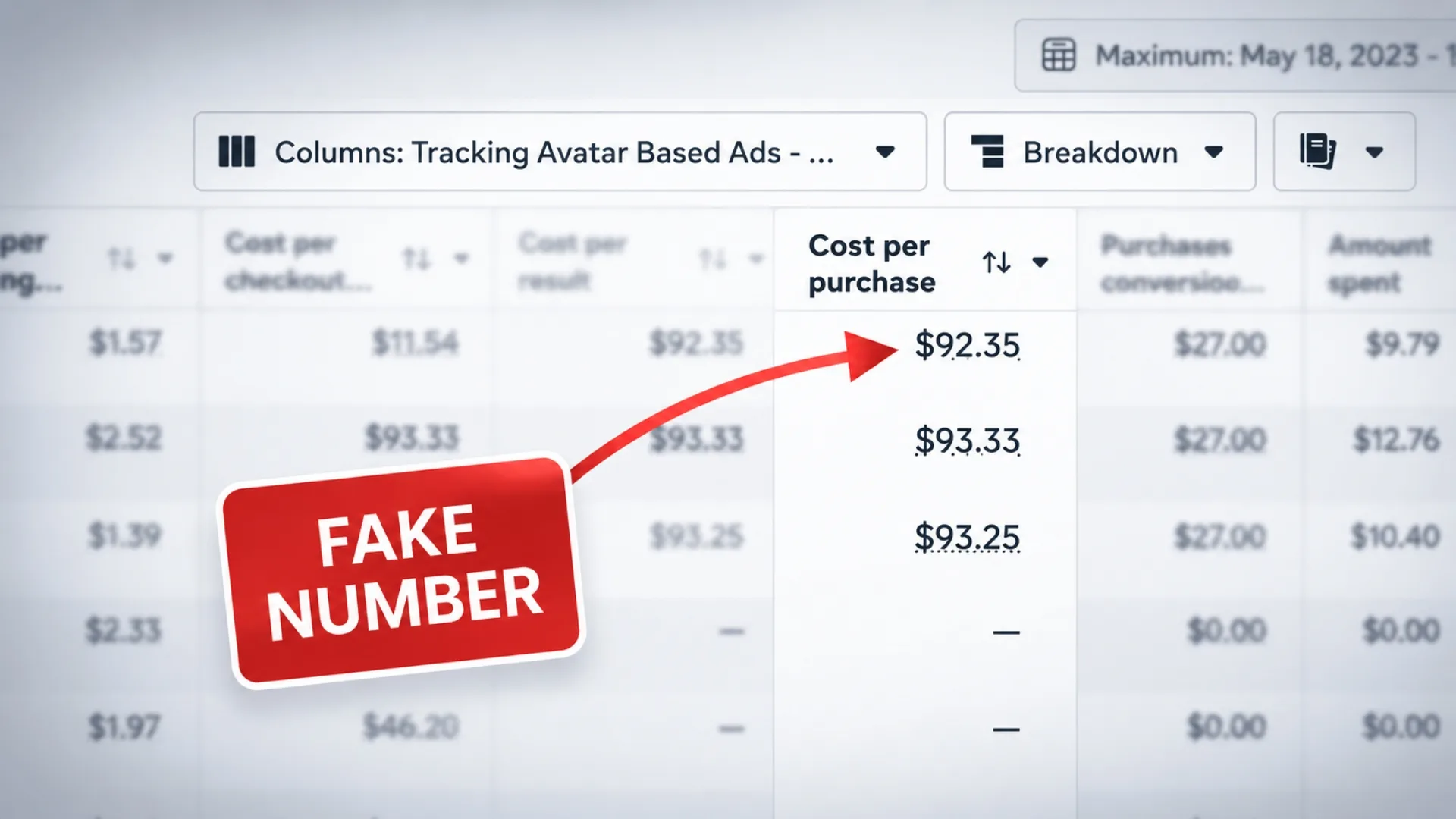
The cost per purchase in your Facebook Ads dashboard only counts a seven-day window. It misses the back end revenue that makes the real number far better.
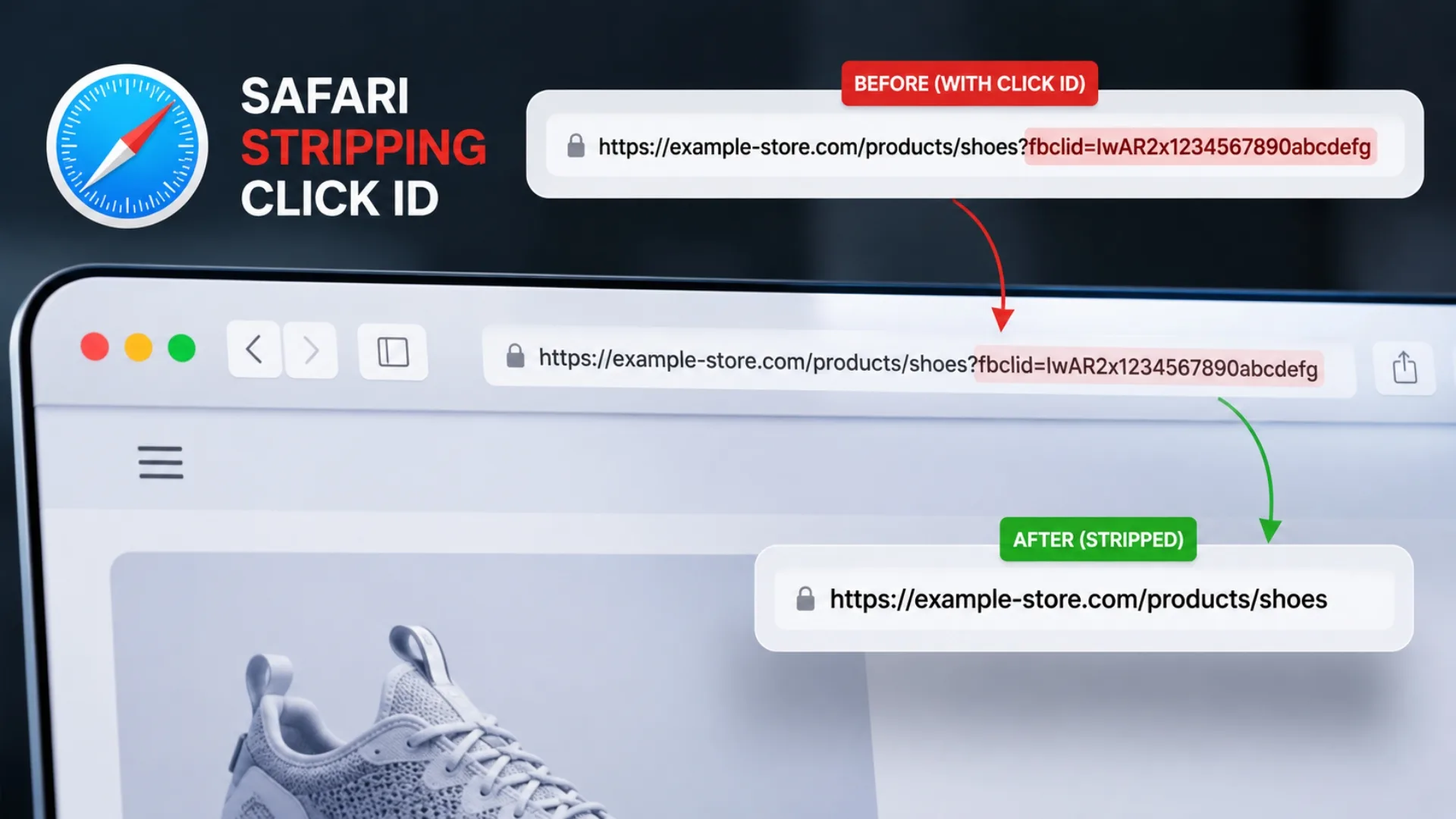
Safari strips the click ID out of your ad links, so conversions land as organic and the algorithm loses the signal. Here is the server-side fix that holds.
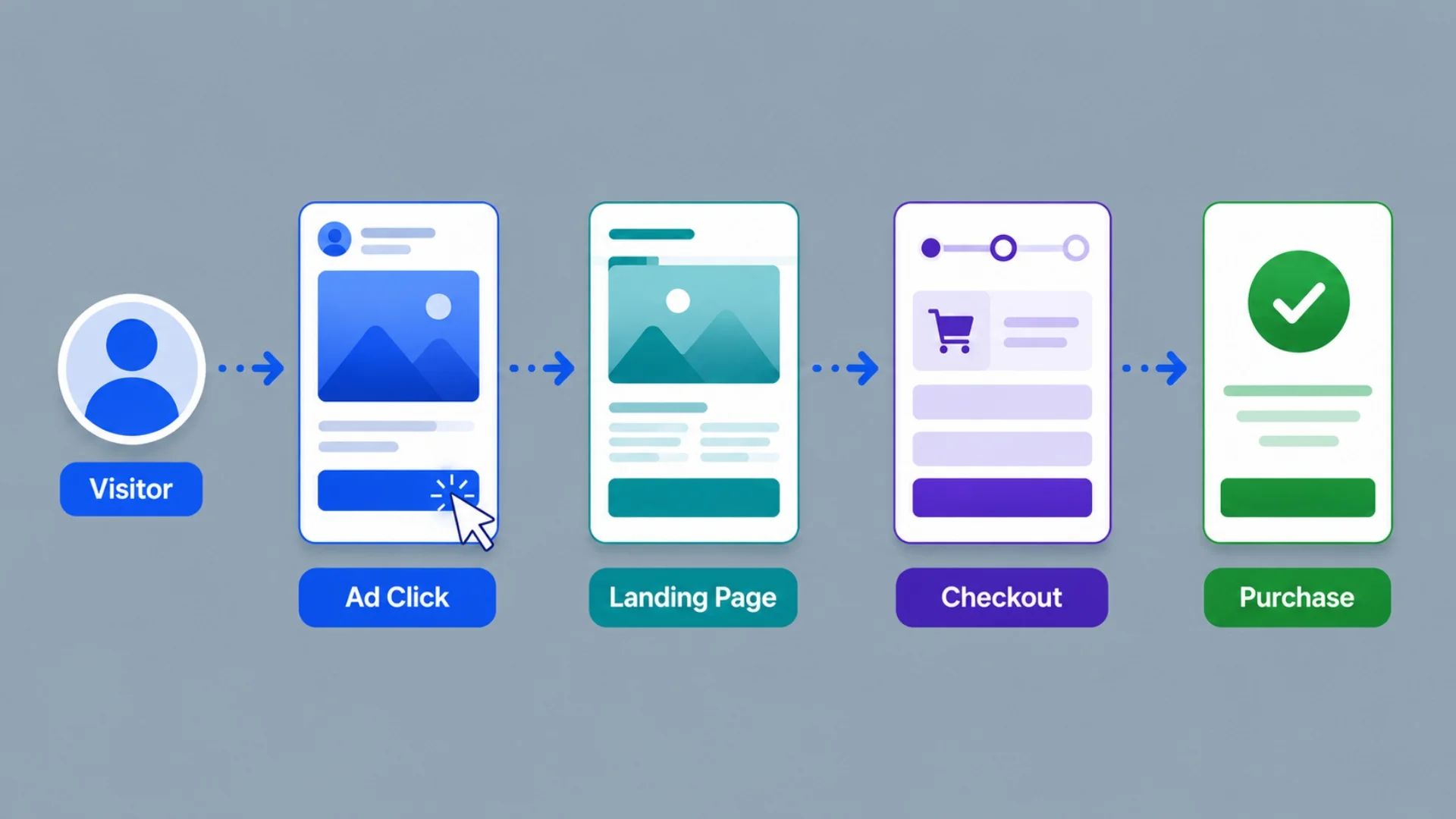
Your ad account already maps every funnel step from clicks to purchase. Read the ratios in order, find the one that collapsed, and fix that single leak.
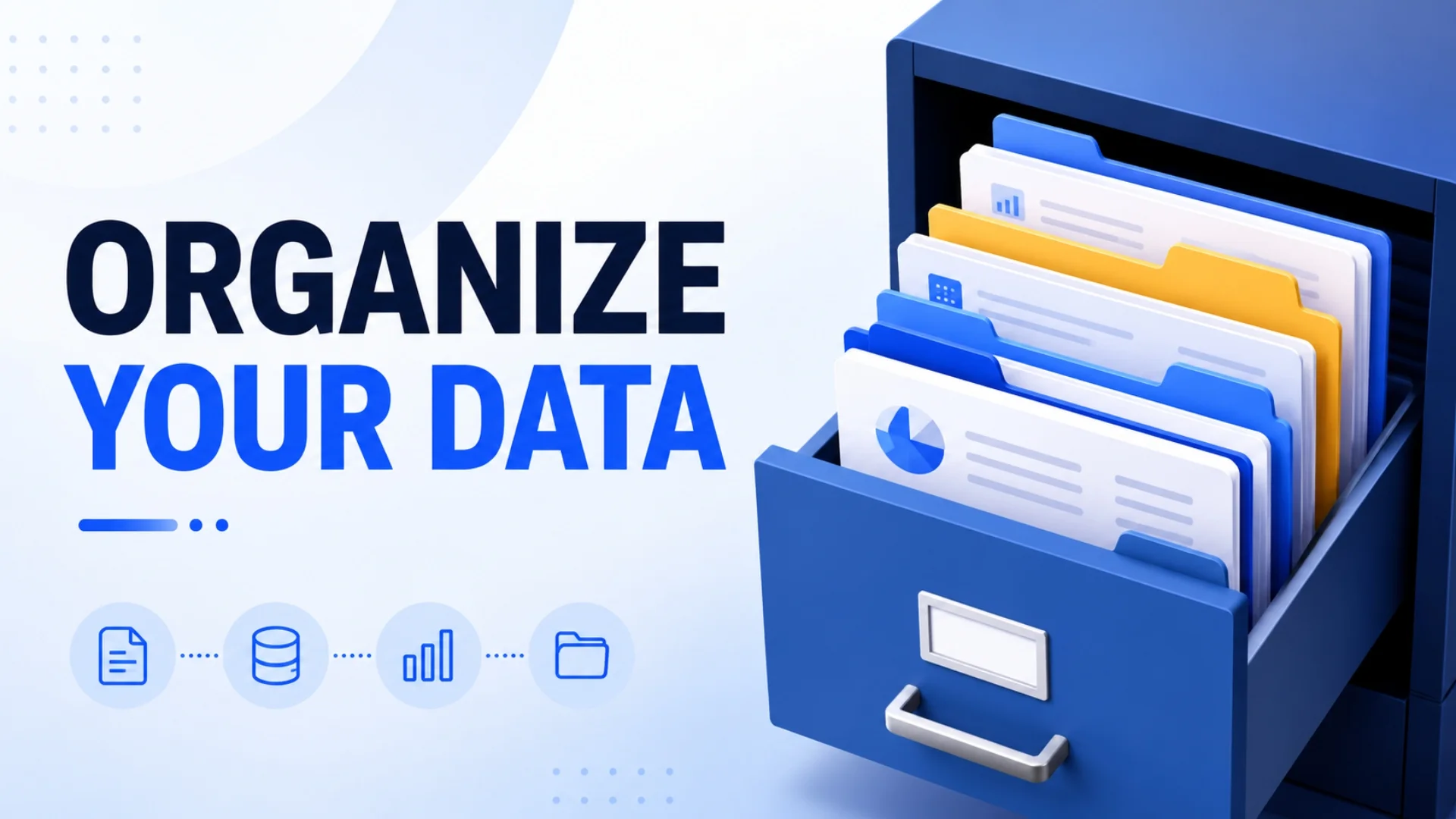
You can't scale on numbers you don't trust. Organize your tracking data with one locked UTM naming convention so you can see the real path to a sale.
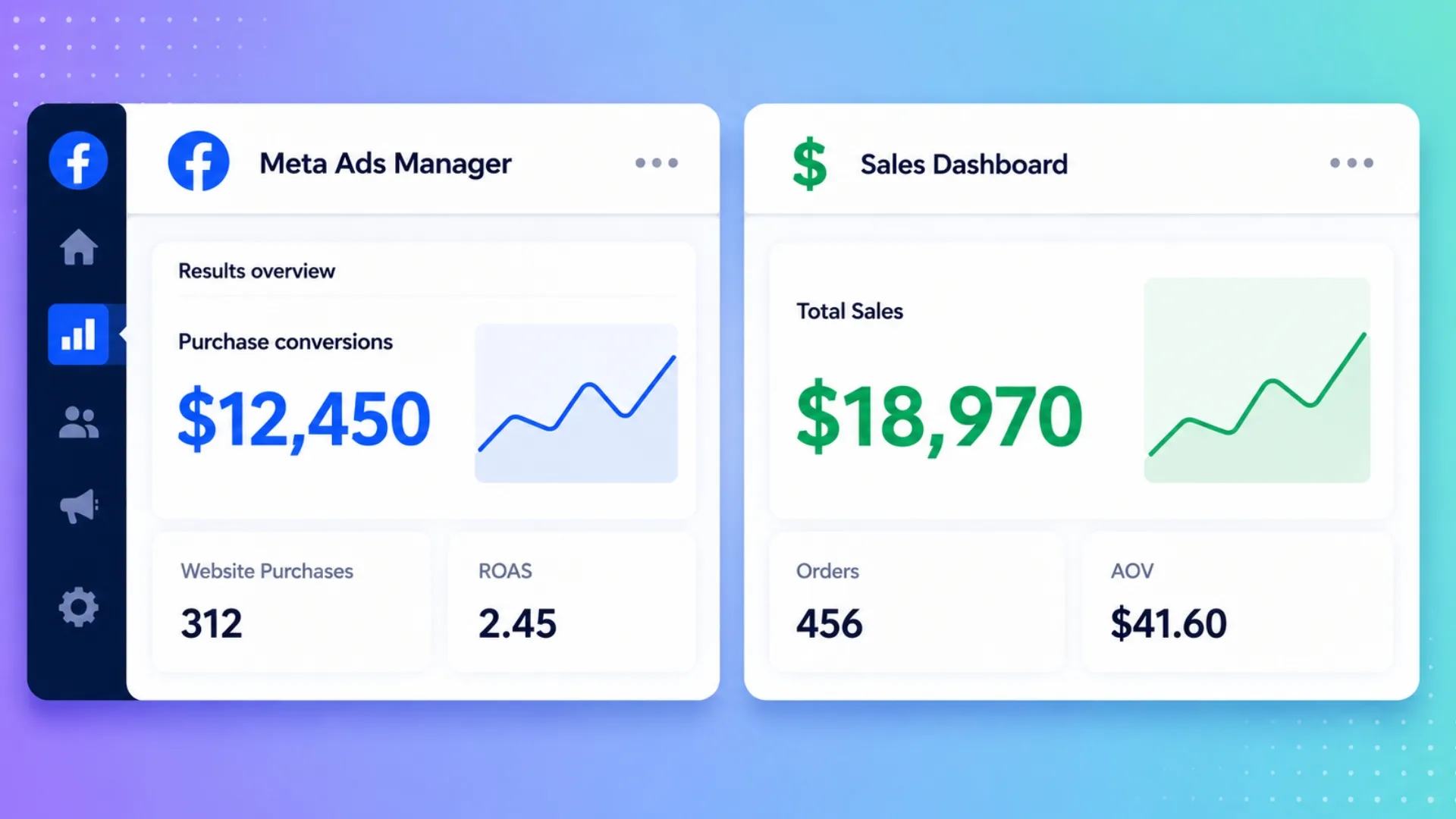
Sales hit your backend but vanish from Facebook and your dashboard when the purchase event fires on a page instead of the actual purchase. Here is the fix for funnels with upsells.
A proven Facebook ad that suddenly dies usually has a stuck delivery system, not a dead creative. Reboot it in two minutes before you rebuild anything.
Facebook only shows people ads they want, and iOS took its real-time read on who wants what now. Here is how to hand that freshness back and scale every offer.
A client's funnel kept draining ad budget while every dashboard read normal. The cause was a CDN caching the wrong UTMs into the page before tracking ever saw it.
Google Tag Manager is easy to install but bad at conversion tracking. Even server-side, it is chained to a blockable browser and shows you no numbers.
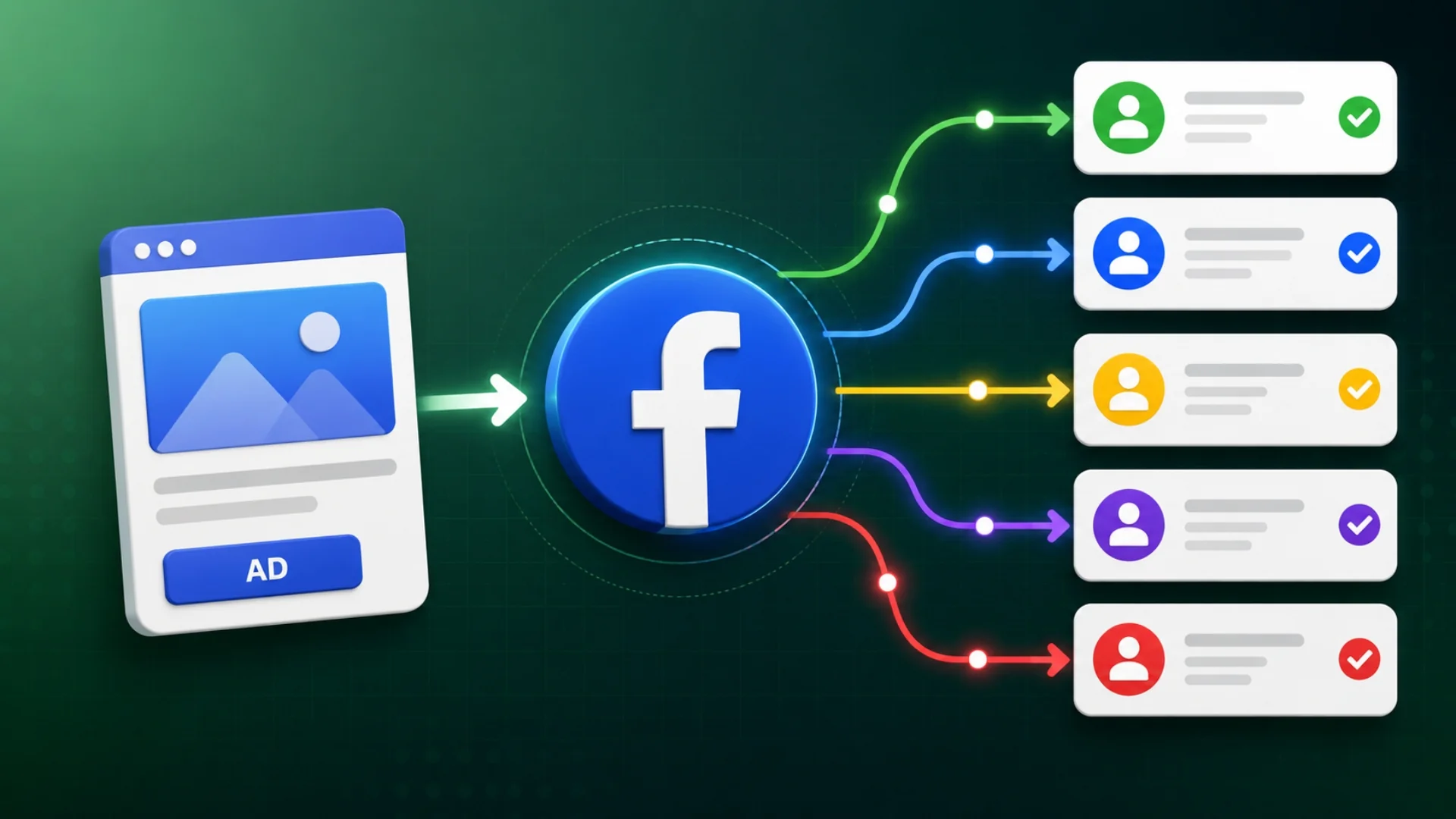
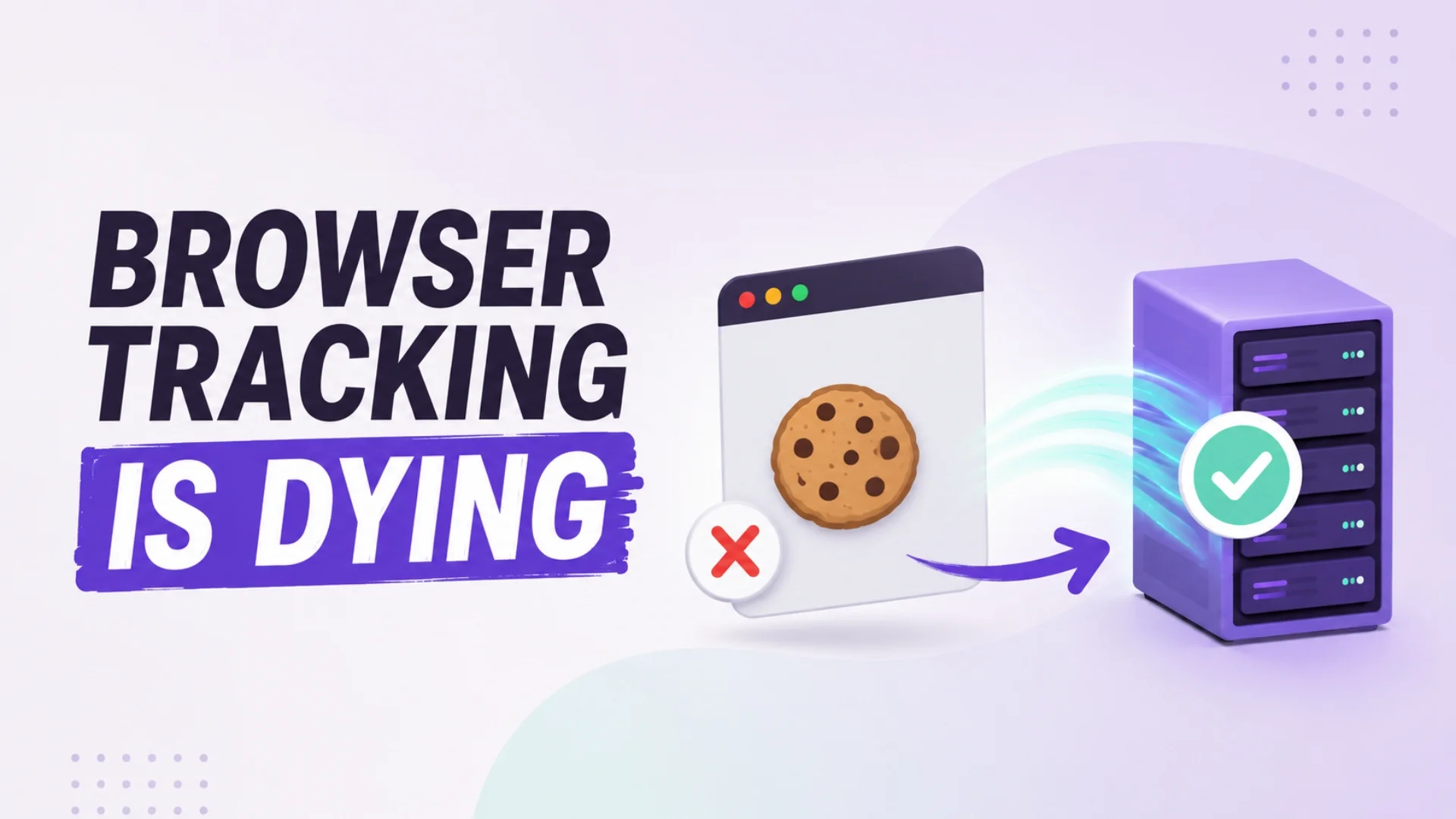
If you still track Facebook and Google ads with the browser pixel, you are losing 30 to 80 percent of your conversions. Here is why, and the server-side fix.
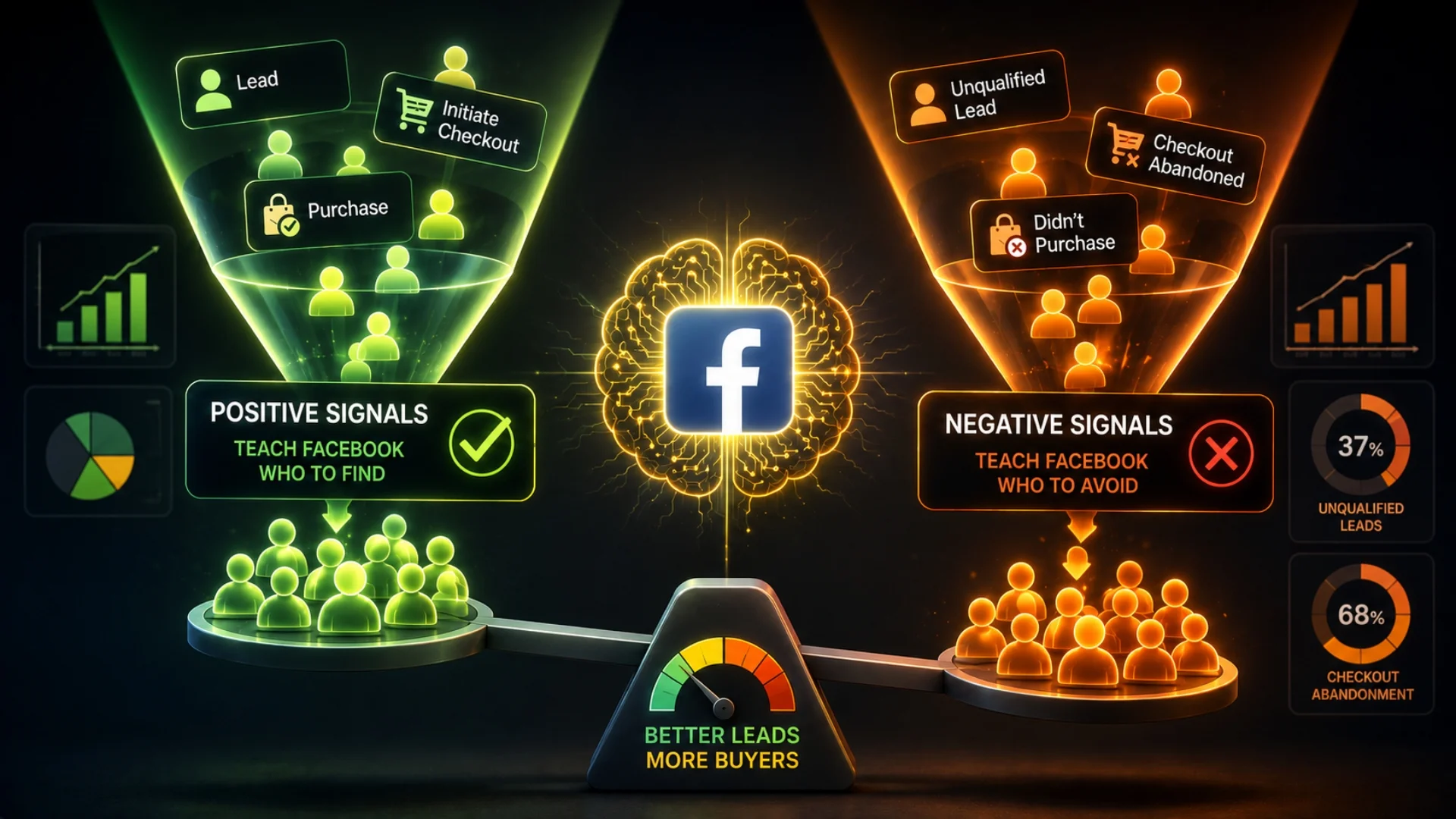
Facebook only learns from positive events. Fire negative-signal events for unqualified leads and checkout abandons so the algorithm learns who to avoid.
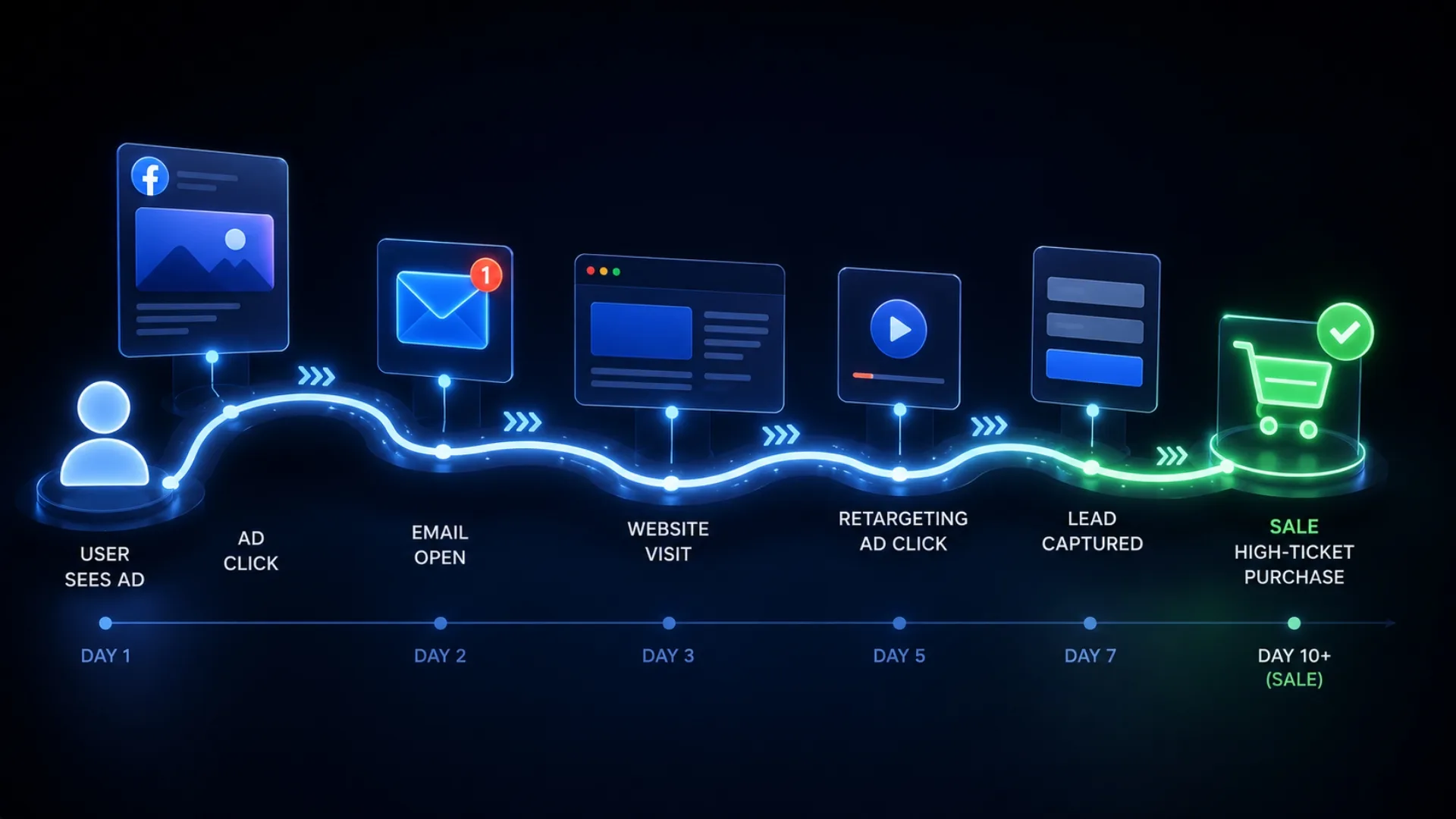
High-ticket buyers convert past Facebook's 7-day window, so it never records the sale. Trace your real buyers, find the front-end pattern, and optimize for that.
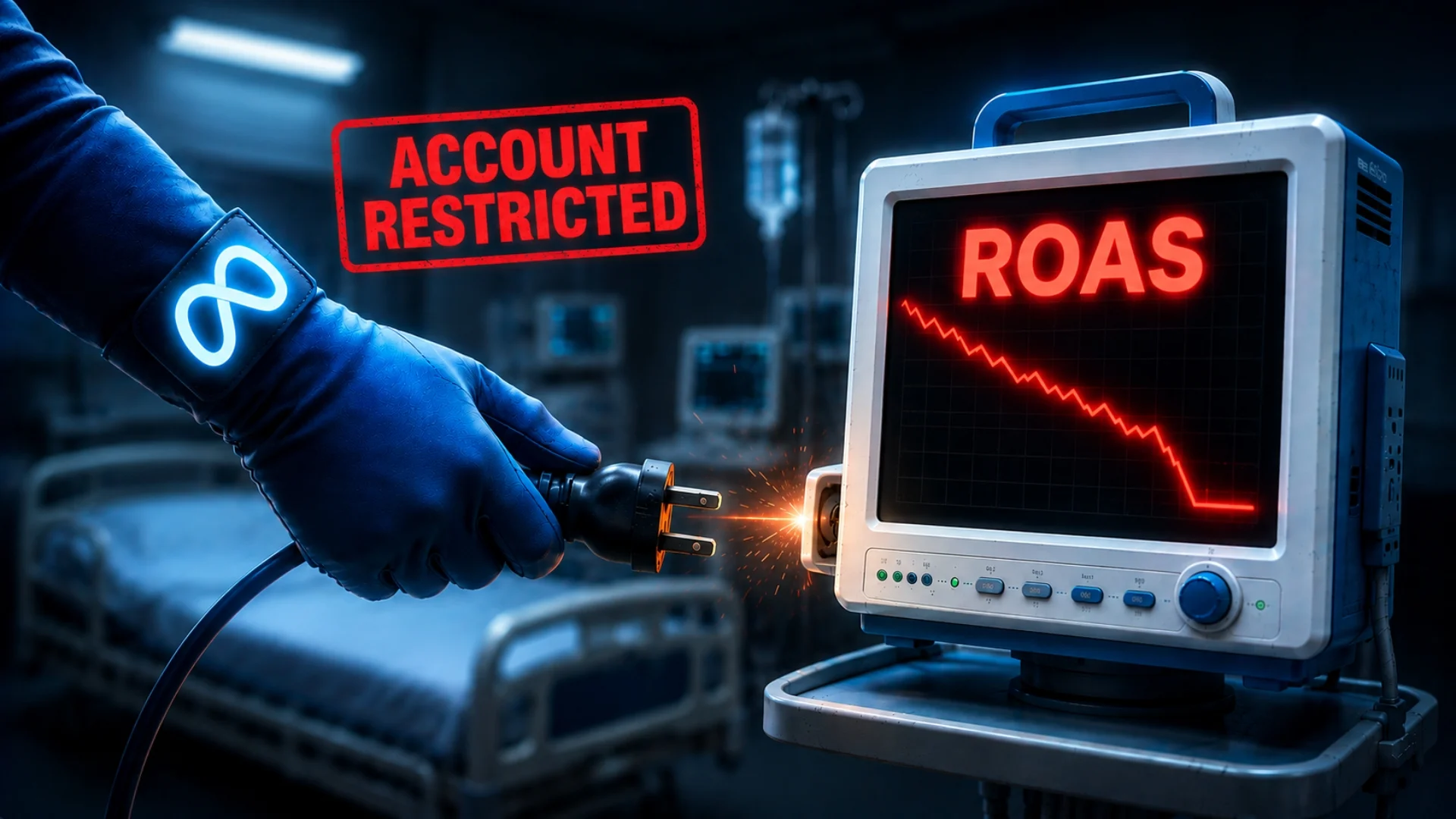
Restricted on Meta in Health, finance, or another sensitive vertical? Custom events restore optimization for purchases and leads, if you get three things right.
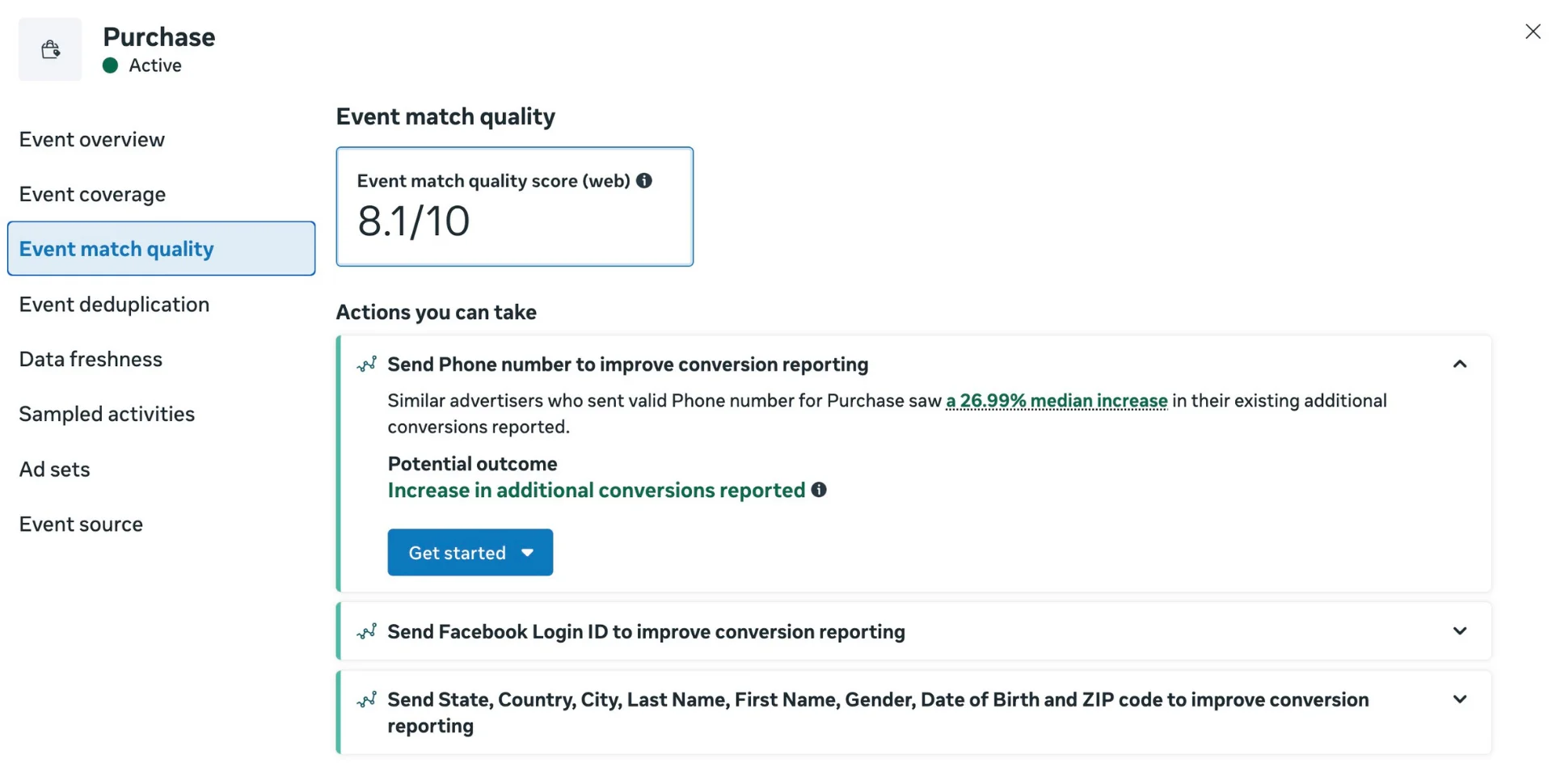
A 10 out of 10 Event Match Quality score will not improve your Meta ad performance. EMQ checks data format, not truth. Here is what actually drives results.
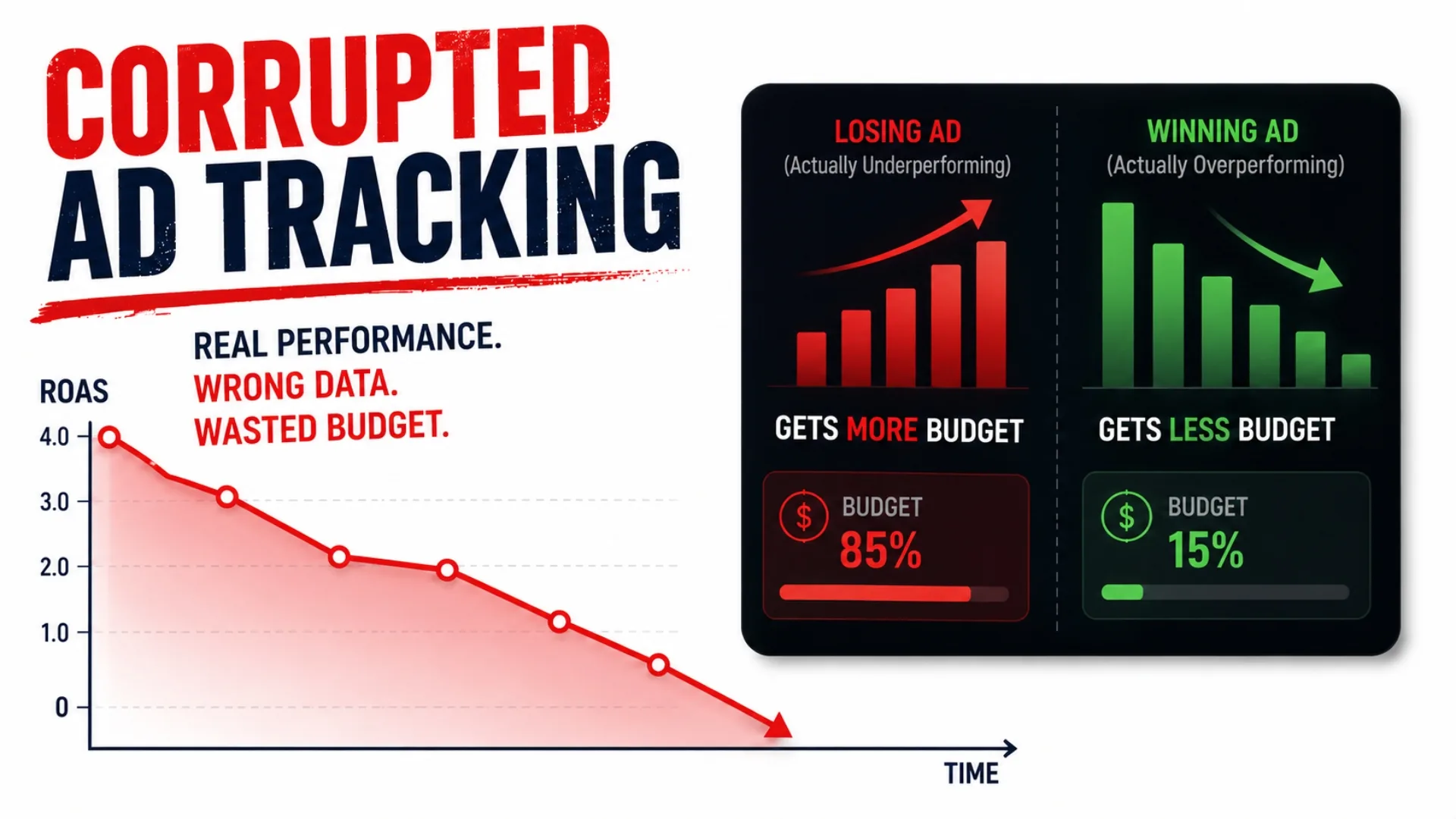
Most wasted ad spend is broken tracking, not bad ads. The five pixel and CAPI mistakes that train Meta and Google on buyers who do not exist.
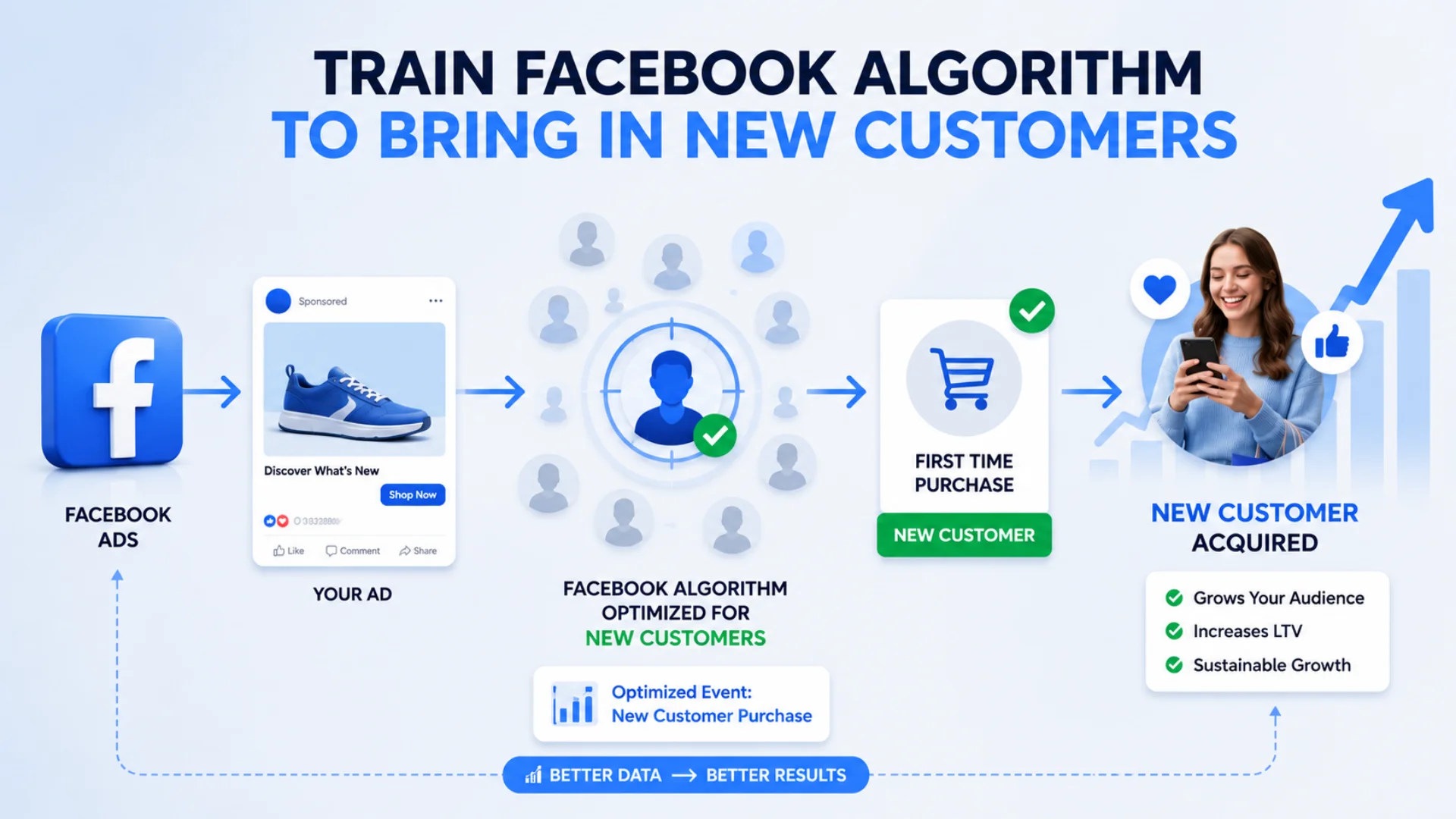
Most Facebook prospecting campaigns optimize for buyers who would have bought anyway. Fire a separate new-customer purchase event and optimize on it instead.
Facebook and Google dashboards credit one click and hide the other six. See why attribution models lie and what any-click attribution shows instead.
Ad platforms still know everything, but since iOS 14.5 they need you to send conversion data back. Why server-side tracking now runs your ad results.